
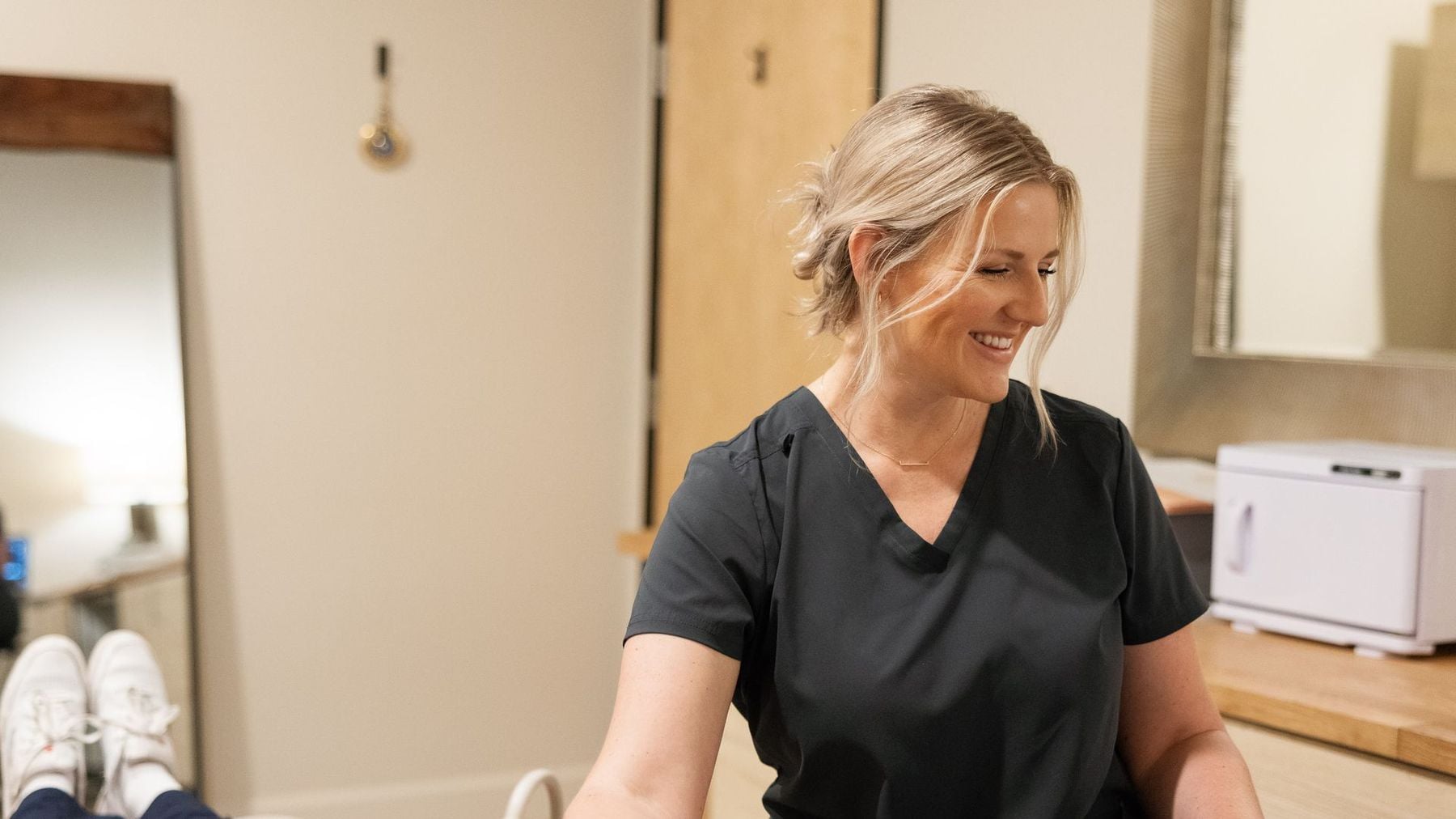
Most mobile ultrasound visits that run late do not run late because of the scan. They run late because the sonographer is waiting at a hotel front desk that has no record of the visit, circling a gated community without a code, or looking for a parking spot near an office tower at 9 a.m. A few minutes of preparation by the ordering office prevents almost all of it.
This checklist covers what concierge and house-call offices should arrange before a study at a hotel, office, short-term rental or private community. It applies to any mobile imaging provider; the specifics below reflect how UltraVision runs visits.
Before you submit the order
- Confirm the exact location. Street address, the 5-digit ZIP code, building or tower name, and room or suite number if known.
- Confirm who coordinates timing. The office, the patient, or the patient’s assistant. Put one name and number in the order.
- Check the patient’s window. Executives and travelers often have narrow gaps. Give a realistic window rather than a single minute.
- Confirm preparation. Fasting for abdominal and aorta studies (no food for 8 hours, water is fine), a full bladder for transabdominal pelvic and bladder studies (about 32 ounces of water an hour before).
Hotels
- Ask the patient, or the patient’s assistant, to tell the front desk or concierge to expect a medical visitor, and whether the hotel requires the visitor’s name in advance.
- Note whether the room requires a key card for the elevator, so the patient can meet the sonographer in the lobby if needed.
- Note parking: valet, self-park, or a loading area. Many hotels allow brief valet for medical visitors if told in advance.
- For high-profile guests, note any security process or private entrance.
- Most hotel rooms work well: the patient lies on the bed, and the system plugs into a standard outlet.
Offices and workplaces
- Book a private room with a door that closes: an office, a conference room with blinds, or a wellness room. A couch or a padded table works; a hard conference table can work with a folded blanket.
- Register the sonographer with building security in advance if the tower requires visitor badges.
- Note the floor, suite and loading or parking instructions.
- Plan for 30 to 60 minutes of uninterrupted time, depending on the study.
Gated communities, rentals and second homes
- Gate codes, call-box names or guard-gate instructions belong in the order notes.
- For short-term rentals, include the unit number and any lockbox or host instructions.
- Ask that pets be settled in another room.
- In large homes, tell the sonographer which entrance to use.
Aftercare residences and recovery suites
- Include the residence name and the on-duty nurse or caregiver’s number.
- Note drains, dressings, compression garments and positioning limits from the surgeon.
- Confirm who may be present during the study.
On the day
- Our team confirms the arrival window with the office or the patient.
- The sonographer arrives with a portable diagnostic system, gel and supplies.
- Setup takes a few minutes; most studies take 30 to 45 minutes of scanning.
- The sonographer does not discuss findings. The radiologist report goes to the ordering physician, usually within 24 hours.
Common delays and how to avoid them
- Patient not ready: ate before an abdominal study, or emptied the bladder before a pelvic study. Send prep instructions the day before.
- No access: front desk or guard not informed. Confirm access the day before.
- Wrong address: the patient moved hotels or is at the office instead of home. Confirm location the morning of.
- No private space: an open-plan office with no free room. Book the room in advance.
A ready-to-copy order note
Practices that order often keep a template like this in their system:
- Location: hotel or building, address, 5-digit ZIP, room or suite
- Access: front desk notified (yes/no), parking, gate or badge instructions
- Coordinator: name and mobile
- Window: date and time range
- Prep sent: yes/no
- Clinical question and side (if applicable)
- Urgent findings contact: ordering physician’s direct number
Special situations
Patients with limited mobility
If the patient uses a wheelchair or walker, note it in the order. Most studies can be performed with the patient semi-reclined in a bed or recliner, and the sonographer can bring the system to the patient’s room rather than asking the patient to move to a living area.
Multiple patients at one address
Couples and families sometimes ask for studies on the same visit. Put each patient in a separate order, with their own clinical question and ordering physician, and tell our team in advance so the visit is scheduled with enough time.
Language and interpreters
If the patient prefers a language other than English, say so in the order. A family member can help with simple instructions such as breath holds, and the practice may want a professional interpreter for consent and complex conversations.
Children and teens
For patients under 18, a parent or legal guardian must be present for the entire visit. Pelvic studies in minors are transabdominal only.
Weather, traffic and timing
Southern California traffic shapes arrival windows more than distance does. A visit across the Westside at 5 p.m. can take longer than a drive from the airport at midday. We give arrival windows rather than exact minutes for that reason, and we call the coordinator if traffic will push the window. If the patient’s schedule has no flexibility, mention it in the order so the visit can be planned outside peak hours.
After the visit: closing the loop
The order is not complete until the report is in the physician’s hands and the patient knows what comes next. A few habits help:
- Confirm receipt of the report and file it in the patient’s chart.
- Tell the patient when they will hear from the practice about results, so they do not chase the imaging team.
- If the radiologist recommends follow-up imaging, put the due date in your recall system the day the report arrives.
- Note what worked about the location, such as parking or the best entrance, for the next visit.
Practices that order regularly find that after the first few visits, the checklist becomes routine, and most of the coordination happens in a single message.
When the visit has to move
Plans change, especially for traveling patients. If the patient moves to a different hotel, leaves the office early or needs to reschedule, call the local line as soon as you know. A change made before the sonographer is dispatched is simple. A change made after dispatch may count as a late cancellation under our practice terms, and it delays other patients on the route. A quick morning-of confirmation with the patient catches most changes before they become problems.
For STAT requests, keep the coordinator’s phone close after placing the order. The first call from our team confirms whether we can reach the patient that day; a missed call can cost the window.
Equipment and space: what to expect
The portable system is about the size of a laptop bag with a small probe case. It runs from a standard outlet, so the sonographer will look for one within a few feet of where the patient lies. Gel is used on the skin and wiped off afterward; towels are provided, but patients may want to wear older clothing for abdominal or pelvic studies. The system makes no noise beyond a quiet fan, and nothing needs to be moved except, sometimes, a chair or side table to make room beside the bed or couch.
For office visits, a room with a door that locks or a sign on the door prevents interruptions during the study. In hotels, a “do not disturb” sign does the same.
Order a study
UltraVision Imaging performs diagnostic ultrasound at hotels, offices, rentals and private homes for concierge, house-call and private-medicine practices across Los Angeles, San Diego County, Orange County and Palm Springs, the Bay Area and the Sacramento region. See every region and its local line on our page for physicians, or send a referral from any area page, such as Downtown Los Angeles, Downtown San Diego or Irvine. Our team will be in touch to coordinate scheduling.
Frequently asked questions
Can an ultrasound be done in a hotel room?
Yes. The patient lies on the bed and the portable system uses a standard outlet.
What does the hotel need to know?
That a medical visitor is expected, and any key-card, parking or security arrangements.
Can a study be done at the patient’s office?
Yes, in a private room with a door that closes and a couch or padded surface.
How long should we block?
About 30 to 60 minutes, depending on the study, plus a few minutes for setup.
What causes most delays?
Missed preparation, access not arranged, a changed location, or no private room.
Who receives the results?
The ordering physician receives the radiologist report, usually within 24 hours.
Sources
- RadiologyInfo.org (ACR and RSNA): General ultrasound
- RadiologyInfo.org (ACR and RSNA): Abdominal ultrasound
- HHS: HIPAA minimum necessary requirement
This article is general information for licensed clinicians and practice staff. It is not medical or legal advice and does not replace clinical judgment. UltraVision Imaging performs diagnostic ultrasound; a board-certified radiologist interprets every diagnostic study, and the ordering physician directs care.